


SPRIBE Aviator: multiplier and exit
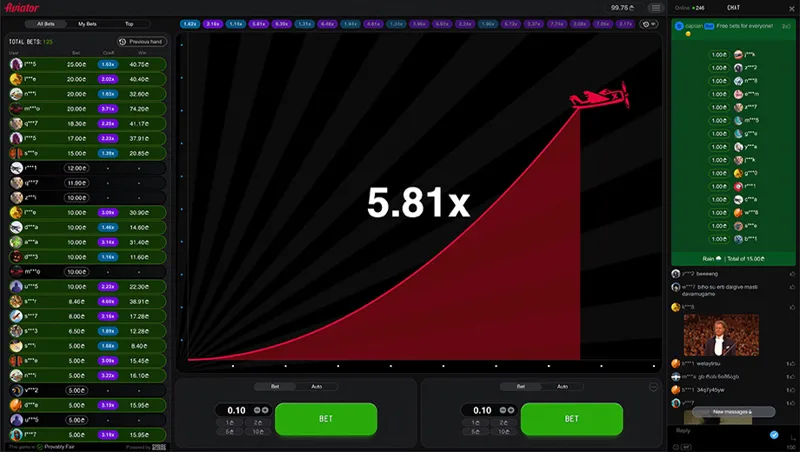
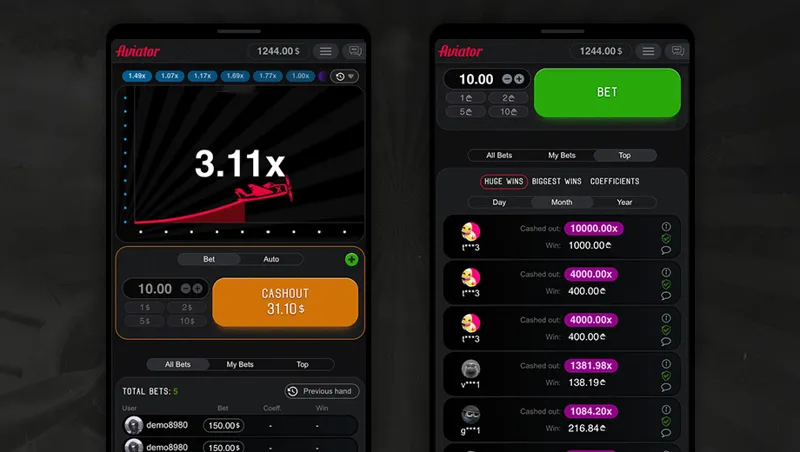
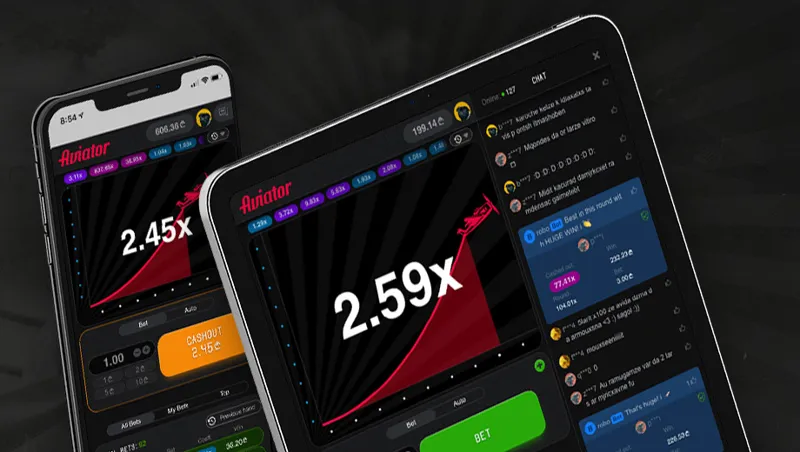
Aviator is SPRIBE’s plane game: stake before takeoff and decide when to cash out as the multiplier grows. If the flight ends before a cash-out order is accepted, that stake loses. The provider lists 97% RTP and desktop, tablet and mobile support.
Use virtual funds first to locate stake, cash-out and reference controls. Previous rounds are not signals for the next flight. The animated value can change while an instruction is sent; check confirmation and the recorded result.
Cash-out example and two stakes
In an example, 50 units cashed out at 2.00x return 100 gross and a net difference of 50, provided the order is accepted. A second stake of 50 in the same flight puts 100 at risk: each control needs its own confirmation.
Two amounts in one round do not make flight outcomes independent. An early exit on one position and a later exit on another may settle differently, but both depend on the same round ending. Include both stakes when evaluating session spending.
Automatic cash-out and quick rounds
When using an automatic option, inspect the saved threshold before starting and check how it applies to each position. A scheduled instruction is not a payout promise: the flight may end below the target. Read how to stop any stake repetition too.
Speed can accumulate spending unnoticed. Ten flights with two stakes of 10 total 200 wagered even if some positions return winnings. Keep total amount and session limit visible; do not adjust a target to chase an earlier flight.
Multiplier and cash-out instruction
In Crash or a rocket variant, distinguish the displayed value from an instruction accepted by the server. Connection and sending time matter when cashing out. Also read what an automatic setting does and how to confirm it was saved.
Previous multipliers do not reveal where the next round ends. Repeated early stops do not force a later high result. After a display interruption, inspect the reference and history rather than raising the stake to recover an assumed opportunity.
RTP, variance and expectations
RTP describes a theoretical long-term calculation rather than your return today. Volatility concerns the distribution of wins: a short session may differ greatly from the average. Read the configuration of the version you opened instead of copying figures from another listing.
A losing sequence does not make the game owe you a win. A recent payout does not forecast the next outcome either. Do not use history as a signal to raise your stake; use it to understand spending and recorded rounds.
What a session actually commits
Calculate round cost before deciding session length. A budget of 300 at a stake of 5 covers 60 initial bets, excluding winnings and reinvestment. A feature costing 250 uses almost that entire budget in one action.
Money won and staked again is still at risk. Set a loss ceiling and a closing time, and check both during play. Do not replenish the budget to compensate for earlier results or use funds reserved for bills, food or debts.
Stable video and confirmed bets
Check your connection before joining a video table. Close downloads and avoid switching networks during a round. The stream may lag: the moment displayed on screen is not necessarily the system time used to close betting.
If video drops, inspect history after reconnecting. Do not place another bet just to test the connection. Save the affected round reference and distinguish a playback problem from an actual balance change.
Read next: Login · Bonuses · Withdraw funds · Help ·
Questions about AFUN Aviator: understand the SPRIBE flight
Does RTP guarantee a return in my session?
Are reinvested winnings still at risk?
Does disconnection void my bet?
A frozen screen does not necessarily mean the stake was canceled. Reconnect and inspect round status before repeating an action. Record the title, table where applicable, time, amount and reference to distinguish a display problem from an accepted transaction.